

A healthy bite does much more than create a beautiful smile. The way your upper and lower teeth meet plays a critical role in your overall oral health, speech clarity, and daily comfort. When your teeth do not align properly, chewing and speaking can become difficult, and you may experience chronic pain in your jaw or facial muscles.
Many people hear the term “overbite” and assume it simply means the front teeth stick out a little bit. While a slight overlap is completely normal, severe misalignments can cause significant damage to your teeth and gums. One of the most damaging types of misalignment is known as an impinging bite.
This guide will explain exactly what an overbite is, taking a closer look at the impinging bite in particular. We will explore the common causes, the physical symptoms to watch out for, and the highly effective orthodontic treatments available to correct your smile.
Key Takeaways
- An impinging bite is a severe malocclusion where the front teeth bite directly into the sensitive gum tissue or the roof of the mouth.
- Genetics, childhood habits like thumb sucking, and irregular jaw development are the most common causes of this condition.
- Left untreated, an impinging overbite can lead to painful gum recession, excessive tooth wear, and chronic jaw joint dysfunction.
- Orthodontic treatments—ranging from traditional metal braces and clear aligners to specialized appliances like bite planes—can successfully open the bite and protect your oral health.
- Correcting a severe overbite often brings aesthetic benefits, including a more balanced facial profile and a stronger-looking jawline.
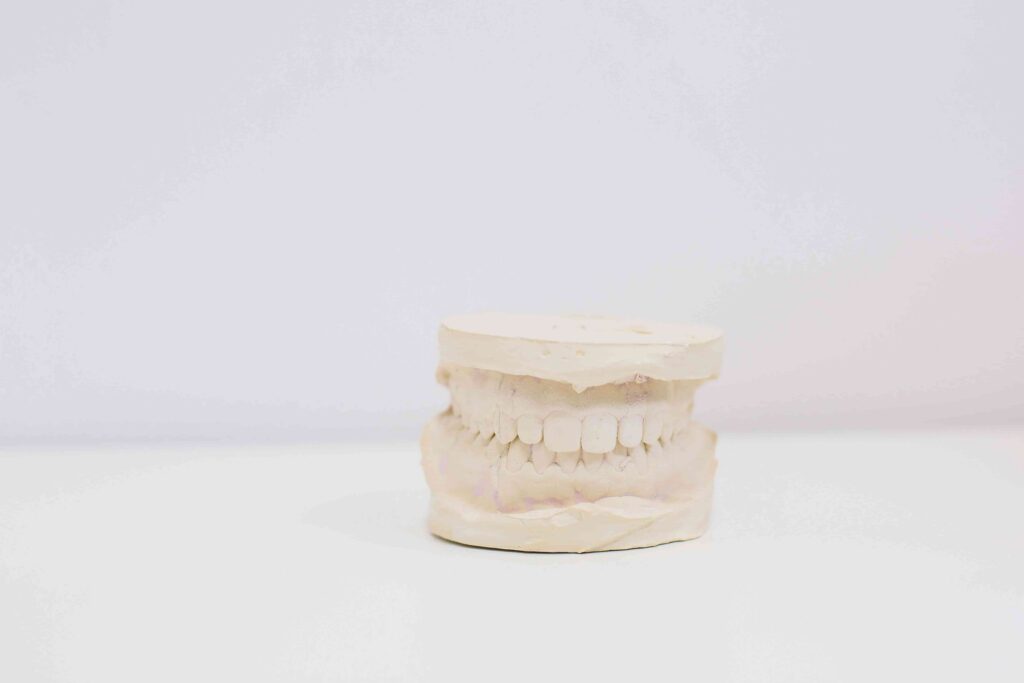
What Exactly is an Overbite?
To understand severe dental issues, you first need to know how a normal mouth functions. Dentists and orthodontists refer to the alignment of your teeth as your “occlusion.”
In an ideal bite, the upper front teeth should sit just slightly forward of the lower front teeth, overlapping them by about one to two millimeters. This minor overlap protects your teeth from clashing together when you chew. Malocclusion occurs when this alignment is visibly off.
An overbite refers specifically to a vertical misalignment where the upper teeth overlap the lower teeth excessively. This condition exists on a wide spectrum. A mild overbite might be barely noticeable and cause no functional issues. On the other end of the spectrum is a bad overbite, often called a “deep bite,” which can completely cover the lower teeth and disrupt normal mouth function.
Deep Dive into the Impinging Bite
An impinging bite is the most extreme variation of a deep overbite. In this scenario, the vertical overlap is so severe that the upper teeth “impinge” on the lower gums, or the lower teeth strike the roof of the mouth (the palate) every time the jaw closes.
Think of your jaw like a pair of scissors. For the scissors to cut smoothly, the blades must glide past each other closely but safely. If the blades are bent and scrape harshly against the handles, the tool breaks down.
An impinging bite forces your teeth past their safe stopping point, causing them to constantly strike and dig into the soft, vulnerable tissues of your mouth.
Why is an impinging bite problematic?
The constant friction of teeth against soft tissue creates a host of dental problems:
- Physical discomfort and pain: Eating, speaking, and even resting your jaw can become painful when teeth are constantly poking your gums or palate.
- Gum recession and damage: The repetitive trauma strips away healthy gum tissue, eventually exposing the sensitive roots of the teeth.
- Tooth wear and sensitivity: As the teeth grind against each other awkwardly, the protective enamel wears down prematurely.
- Jaw pain and TMD implications: An unnatural bite forces the temporomandibular joint (TMJ) to work overtime. This strain often leads to chronic jaw pain, clicking sounds, and frequent headaches.
Causes of an Impinging Bite
Dental misalignments rarely happen overnight. They typically develop during childhood as the jaw and permanent teeth grow.
Genetic factors and heredity
Genetics heavily influence your bone structure. If your parents have a bad overbite, a smaller lower jaw, or a prominent upper jaw, you are highly likely to inherit similar traits that lead to an impinging overbite.
Childhood habits
Prolonged childhood habits place unnatural pressure on developing bones. Thumb sucking, aggressive pacifier use, or chronic tongue thrusting can physically push the upper teeth forward and alter the shape of the palate.
Jaw development issues
Sometimes, the upper and lower jaws simply grow at different rates. If the upper jaw overdevelops or the lower jaw stops growing too soon, the teeth will not meet correctly.
Missing teeth or dental anomalies
If a child loses baby teeth too early or is congenitally missing permanent teeth, the remaining teeth will shift to fill the gaps. This shifting frequently collapses the bite and deepens the vertical overlap.
Trauma or injury
A physical injury to the face or jaw can permanently alter the alignment of the bones. Without proper orthodontic intervention following the trauma, a deep, impinging bite can easily form as the bones heal.
Recognizing the Signs: Symptoms of an Impinging Bite
Identifying an impinging bite early can save you from years of discomfort and costly dental repairs. Look out for these common symptoms:
- Visible dental misalignment: When you close your mouth and smile, your upper front teeth completely hide your lower front teeth.
- Gum irritation: You frequently notice sores, redness, or bleeding on the gums behind your upper front teeth or on the roof of your mouth.
- Speech impediments: The deep overlap can make it difficult to articulate certain sounds, leading to a lisp or slurred speech.
- Chewing difficulties: Biting into hard foods feels uncomfortable or awkward.
- Chronic pain: You suffer from unexplained jaw pain, earaches, or tension headaches.
- Visible wear: The biting edges of your lower front teeth look worn down, chipped, or noticeably flat.
Diagnosing an Impinging Bite
If you suspect you or your child has a deep bite, scheduling a professional orthodontic examination is crucial. Only a trained orthodontist can accurately assess the severity of the malocclusion and map out a safe treatment plan.
During your consultation, the orthodontist will visually inspect your bite and evaluate how your jaws move. They will take detailed X-rays to look at the underlying bone structure. Modern practices, like Ellis Orthodontics, use advanced tools like the iTero Digital Impression System to capture highly accurate 3D images of your teeth in minutes, avoiding the need for messy, uncomfortable putty impressions.
Early diagnosis provides the best results. The American Association of Orthodontists recommends that children have their first evaluation by age seven, allowing doctors to guide jaw growth before an impinging bite causes permanent damage.
Treatment Options for Impinging Bite
Treating a severe deep bite requires careful planning and specialized orthodontic mechanics. Depending on your age and the severity of the misalignment, your orthodontist or Dr. Ellis here in Greenwood may recommend several different approaches.
Braces
Traditional metal braces and clear ceramic braces are incredibly effective at correcting deep bites. The brackets and wires give the orthodontist precise control over the movement of each tooth.
By utilizing specific wire-bending techniques and strategically placed rubber bands, the orthodontist can gently intrude (push up) the front teeth and extrude (pull down) the back teeth, effectively leveling the bite.
Invisalign and Clear Aligners
Clear aligners are a popular, discreet alternative to braces. For many patients, Invisalign works exceptionally well to treat an impinging bite. The aligners act as a protective barrier over the teeth, immediately stopping the traumatic contact with the gums.
As you progress through the series of trays, the aligners gradually shift the teeth into their correct vertical positions.
Other orthodontic appliances
In some cases, braces alone cannot open the bite fast enough to prevent ongoing gum damage. An orthodontist might use an appliance called a bite plane or bite plate. This small device fits behind the upper teeth and physically prevents the front teeth from closing all the way.
This allows the back teeth room to erupt naturally, leveling out the deep bite over time.
Surgical intervention
When an impinging overbite is caused by a severe skeletal discrepancy—such as an extremely underdeveloped lower jaw in an adult patient—orthodontic movement alone may not be enough.
In these rare cases, corrective jaw surgery performed by an oral and maxillofacial surgeon is required to physically reposition the jawbones.
Retainers
Once your bite is beautifully aligned, wearing a retainer is non-negotiable. Teeth have a natural memory and will attempt to shift back to their original, misaligned positions.
Wearing your custom retainer as directed ensures your new, healthy bite lasts a lifetime.

FAQs about Impinging Bites and Overbites
Q: Can an impinging bite fix itself over time?
A: No, an impinging bite will not fix itself. Because it is a physical misalignment of the teeth and jawbones, the condition usually worsens over time as the constant friction wears down the teeth and damages the gum tissue. Professional orthodontic intervention is required to safely correct it.
Q: How long does it take to fix a bad overbite?
A: Treatment times vary wildly depending on the severity of the bite, the patient’s age, and the chosen treatment method. Most patients spend anywhere from 12 to 24 months in braces or clear aligners to fully correct a deep overbite.
Q: Does correcting an overbite change your face shape?
A: Yes, correcting a severe overbite can noticeably improve your facial structure. Because an overbite often makes the lower jaw look small or recessed, aligning the bite can elongate the lower half of the face, improve lip posture, and create a much stronger, more balanced jawline profile.
Achieving a Healthy, Comfortable Smile
Dealing with an impinging bite can be incredibly frustrating. The constant irritation, the risk of permanent gum damage, and the chronic jaw pain take a toll on your quality of life. Understanding what an overbite is and recognizing the symptoms early is the best way to protect your smile.
You do not have to live with dental pain or be self-conscious about your jawline. If you suspect you or your child has a deep, impinging overbite, seeking professional advice is the most important step you can take. Schedule a complimentary consultation with the friendly team at Ellis Orthodontics in Greenwood to explore your options and take the first step toward a healthier, more comfortable smile.